Australia’s beauty market is shifting quickly toward sustainability, and zero-waste skincare is now one of the fastest-growing categories. Customers expect products that deliver visible skin results without harming the planet, and brands must now back every sustainability claim with proof, transparency and responsible design.
To build a truly zero-waste skincare brand in Australia, you must consider the full lifecycle of your product, from formulation, packaging and shipping to how consumers dispose of it at home. Here’s how leading eco-focused brands are doing it, and how you can create your own zero-waste line that stands out.
1. Define Your Zero-Waste Promise Clearly
Before formulating anything, decide what “zero-waste” means for your brand. Successful brands outline a simple, transparent promise that defines:
- Whether the brand is plastic-free or simply plastic-reduced
- Whether all packaging is reusable, refillable, recyclable or compostable
- How customers can return, refill, or responsibly dispose of empty packaging
- What sustainability standards and packaging targets does your brand align with
This clarity avoids greenwashing and builds trust from day one.
2. Focus on Low-Waste Formulations
A zero-waste brand starts with product formats that eliminate unnecessary packaging. High-performing eco brands prioritise:
Solid & Waterless Products
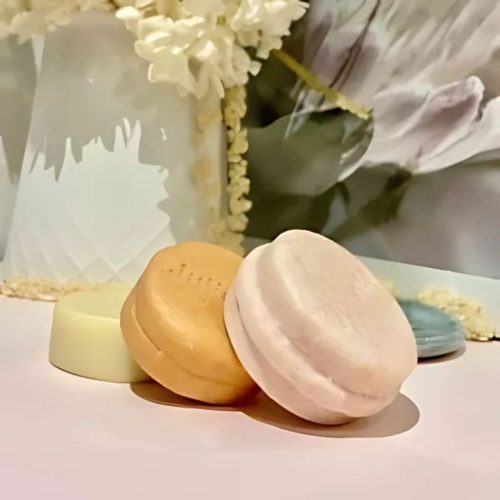
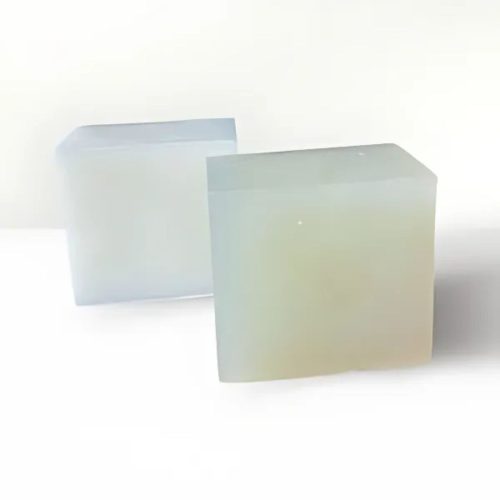
- Solid cleansers, moisturisers, masks and shampoo bars
- Concentrated or powdered skincare, you mix with water at home
Biodegradable Ingredients
Choose plant oils, butters, waxes and gentle surfactants that break down naturally and have low eco-toxicity.
Local and Traceable Botanicals
Use Australian botanicals where possible to reduce transport emissions and support local growers.

3. Use Packaging That Follows the “Refuse, Reuse, Refill, Recycle” Hierarchy
Packaging is one of the most important parts of a zero-waste skincare brand.
Best packaging options
- No packaging (naked products) for bars and balms
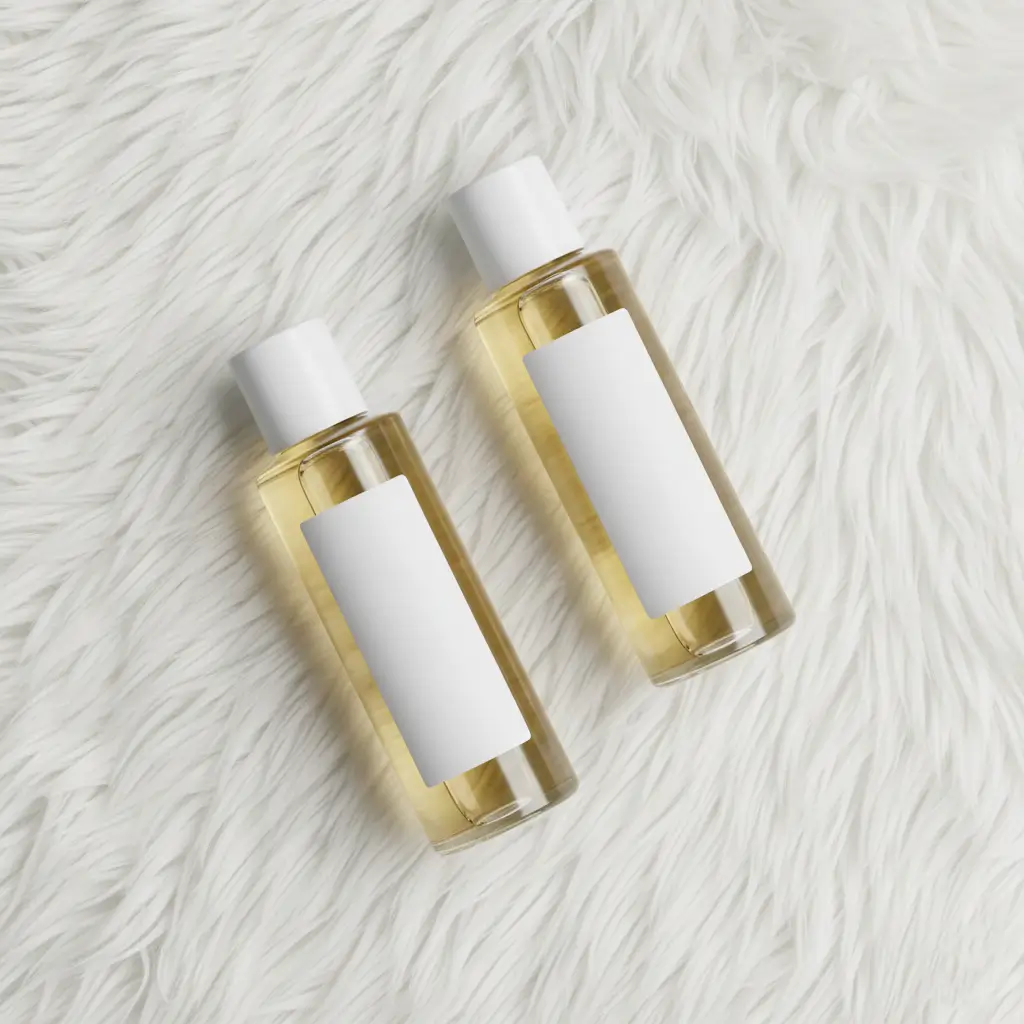
- Refillable systems using aluminium or glass containers
- Compostable packaging using certified home-compostable materials
- Recyclable packaging with simple, non-contaminating labels and inks
Every component should be designed for easy disposal through Australian recycling or composting systems.
Build a Return & Refill Loop
Closed-loop programs turn customers into partners in sustainability. Top brands use:
- Refill stations
- Return-and-earn programs
- Mail-back refill pouches
- Rewards for clean, returned packaging
This encourages repeat customers and reduces the need for new materials.
5. Choose Ethical Australian Suppliers
Your manufacturer must align with your sustainability values. Look for partners that:
- Understand solid and low-waste formulation
- Use energy-efficient processes
- Offer low-impact ingredients
- Support your chosen packaging formats
- Maintain responsible waste and recycling practices
6. Reduce Waste in Operations and Shipping
Your internal processes should match your brand values:
- Use right-sized boxes for orders
- Avoid unnecessary fillers and plastics
- Recycle cardboard, paper, tins and glass
- Work with shipping partners that offer carbon-neutral options
- Run regular waste audits in your warehouse or workspace
7. Communicate Honestly and Avoid Greenwashing
Transparency is now a brand advantage. Make sure your claims are:
- Clear (“100% home-compostable packaging” vs. “eco-friendly”)
- Accurate and measurable
- Supported by easy-to-understand explanations
- Displayed on product pages, packaging and your sustainability page
Consumers reward brands that are specific, honest and educational.

8. Educate Your Community
The best zero-waste brands don’t just sell products, they teach better habits.
Create content around:
- How to transition to a zero-waste routine
- How to return or refill products
- How your packaging breaks down or gets reused
- The environmental impact your customers help reduce
Education drives stronger loyalty and positions your brand as a sustainability leader.
Zero-Waste Brand Roadmap (Quick Checklist)
✔ Define your zero-waste charter
✔ Develop solid, waterless or concentrated formulas
✔ Choose refillable/compostable/recyclable packaging
✔ Set up a return/refill rewards program
✔ Partner with ethical Australian manufacturers
✔ Reduce waste across fulfilment and shipping
✔ Communicate transparently and avoid exaggerated claims
✔ Build long-term customer education
post comments
Read more like this