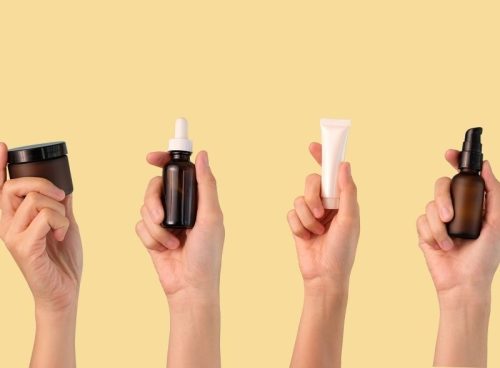
Picture this – you’ve got a brilliant product idea, but the thought of manufacturing it from scratch is overwhelming.
That’s exactly where many hit a wall: stuck between big business dreams and limited resources (Problem-Agitate-Solution).
So, what’s the workaround? Understanding what a private label product is is key. It allows you to sell goods made by another manufacturer under your own brand, giving you full creative control without the heavy investment or complex production processes.
If you’re a spa owner, a boutique retailer, or running a wellness brand, private labelling keeps the focus on you.
We at Miakara help you bring Australian-made, natural products to life with flexible quantities and full branding support.
Definition and Core Concept
What defines a private label product
Think of a private label product as your idea wearing a borrowed suit – it’s still yours, but someone else made it.
In essence, private label goods are manufactured by one company and sold under another’s brand name, offering you a shortcut to your own product line.
Key traits of private label goods: They’re custom-branded, often cost-effective, and let you focus on building your brand.
Private labels vs white labels: Private labels are exclusive to your brand, while white labels are basic, non-exclusive products anyone can rebrand.
How private labels differ from OEM: OEM products are built to a spec you supply. Private label goods use existing formulas owned by the manufacturer.
History and evolution of private labelling
Private labelling began in small retail stores, long before digital storefronts existed.
Back then, shop owners repackaged basics like flour or soap under their own names to build trust with locals.
Early retail and manufacturing use: It started with retailers repackaging bulk goods to make them more personal and recognisable.
Evolution through e-commerce: Online platforms allowed brands to find manufacturers globally and scale without warehouses.
Impact of global retail dynamics: Large global chains adopted private labelling to compete on price and variety against traditional manufacturers.
Private label versus branded products
Customers often don’t see the difference on the shelf – but for brands, it’s a big deal.
Retailer-branded products give more profit control without the massive investment that manufacturer brands demand.
Retailer-branded vs manufacturer-branded: Retailers control the story, pricing, and design, unlike national brands that manage it all themselves.
Key consumer perception differences: Private labels were once viewed as lower quality, but trust has grown with better packaging and consistent results
Cost and control comparisons: Private labels let you steer pricing and promotion strategies, unlike national brands with fixed supply terms.

Private Label Product Categories and Examples
Common private label product lines
Some of the most beloved products sitting on your shelf might be private label without you even knowing it.
Everything from pantry staples to skincare favourites can be tailored with your brand label – ready to offer your customers something uniquely yours.
Food and grocery: Think organic spices, granola, teas, and sauces under a store’s personal brand.
Fashion and beauty: From personalised shampoo to lip balm, beauty ranges flourish under private label in both salons and boutiques.
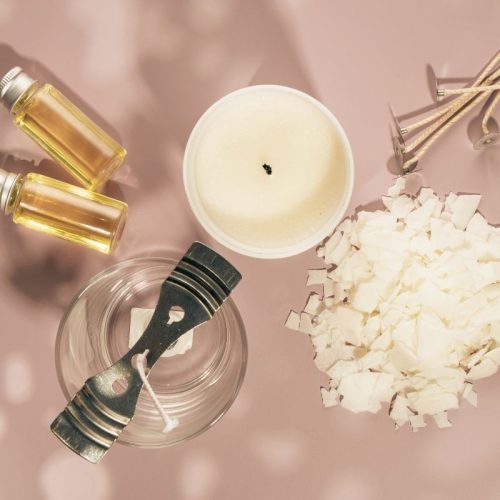
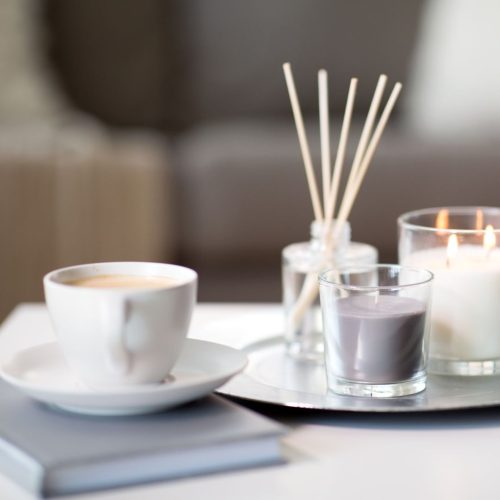
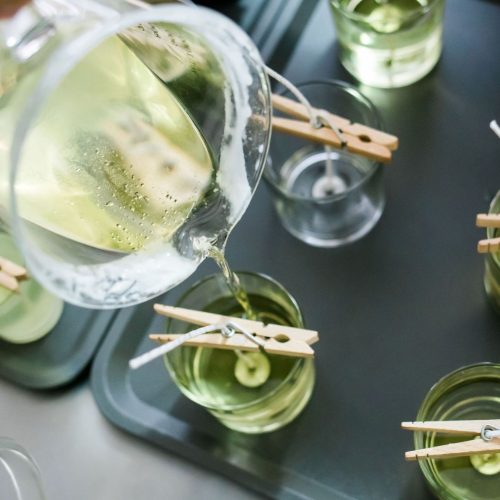
Household and personal care: Laundry detergents, candles, and hand soaps like ours at Juliette Home + Body are top picks in this category.
Industry-specific private labels
Certain industries thrive on custom experiences – meaning private labels aren’t just common, they’re expected.
Our clients often come from niches like wellness retreats, exclusive beauty studios, or clean-tech startups that need tailored solutions.
Private labels in health and wellness: Nutritional powders, massage oils, essential oils, and skin salves are popular in spas and clinics.
Electronics and technology products: Items like charging accessories and headphones allow tech companies to brand affordably and impress customers.
Private labels in boutique industries: Niche brands create tea blends or custom diffusers that connect deeply with their values and audience.
Selected private label success stories
If you’ve ever bought a house-brand soy candle or face scrub, chances are it was a private label success in action.
At Juliette Home + Body, we’ve helped dozens of brands amplify their profits and identity through exclusive products.
Supermarket brand examples: ALDI’s skincare range became a cult favourite, uplifting the entire supermarket label’s reputation.
DTC private label cases: Online-only brands with zero retail footprint sell private-labelled goods straight to consumers with full design control.
Online retail success trajectories: Our spa and salon clients often report faster upsells and higher margins after launching their personalised candles or bath products.
Strategy, Production, and Branding Framework
Once you’ve decided to launch a private label, the next step is putting a clear strategy and production plan in place to bring your vision to life.
How private label production works
Turning your brand dream into reality doesn’t mean building a lab or buying equipment.
We manage production at our facilities in Epping, Victoria and Sunshine Coast, handling each batch with care and precision.
Role of manufacturers and suppliers: We produce your goods using approved, safe ingredients and proven methods.
Choosing the right production model: Our custom or white label options let you decide how hands-on or flexible you need to be.
Packaging and compliance considerations: We help navigate regulations, package selection, and label requirements to meet Australian standards.
Building a private label brand
Creating your own brand isn’t just about slapping a logo on a bottle – it’s about telling your story.
Our design and packaging services help shape how your customer connects emotionally with your product.
Naming and brand identity: Start with names and visuals that feel personal and memorable for your target audience.
Designing sustainable packaging: We offer zero-waste solutions to align with eco-conscious goals and reduce landfill impact.
Trademark and legal registrations: Registering your designs and name ensures no one can claim your effort as theirs.
Strategy behind private label brands
Smart branding isn’t accidental – it takes careful tuning.
We help our clients build strategies that not only look good but actually attract loyal customers through pricing, positioning, and personalisation.
Price positioning: Choose whether you want to sit as budget-friendly, accessible luxury, or boutique premium.
Retailer alignment: We support you whether you’re selling online, in-store, or creating a spa-only exclusive line.
Customer segmentation: From eco-shoppers to wellness clients, knowing your audience shapes your product detail and message.
Business Benefits, Risks, and Considerations
To make the most of the private label model, it’s important to understand not just the rewards it offers but also the potential challenges and market factors that shape success.
Benefits of private label products
With private labelling, the path to a strong brand and higher profits is shorter and more in your control.
That’s why so many of our clients, from real estate gift companies to hotels, keep coming back for customised ranges.
Profit margin boost: Create exclusive lines with higher markups and fewer middlemen.
Cost control and flexibility: Choose your batch sizes and formulas to suit your business cycle.
Quick market entry: Skip development time with our ready-to-brand, proven formulas and fast turnaround
Challenges and risks
Private labelling offers freedom, but it also comes with accountability.
We help clients avoid pitfalls through well-structured planning, compliance awareness, and consistent feedback cycles.
Consumer quality perceptions: We prove quality through performance – our soy candles, body oils and creams deliver every time.
Compliance and ethical concerns: Regulations matter. We ensure our products meet TGA safety and labelling standards.
Reputation risks: One weak batch can dent trust. That’s why every item in our facility is tested and reviewed before shipping.
Consumer behaviour and market appeal
Perceptions shift as more shoppers discover the heart and quality behind private label goods.
Smart pricing, meaningful branding, and good word-of-mouth build loyalty quicker than you’d expect.
Influence of pricing: Customers love great value when paired with beautiful packaging and a local story.
Brand perception vs actual quality: Our consistent client feedback shows that end users can’t spot any drop in quality – only improvement in brand feel.
Impact of social validation: Instagram testimonials and client stories raise trust in your brand without shouting.
Future Outlook and Market Potential
Looking ahead, the private label space shows no signs of slowing down, offering exciting opportunities for growth, innovation, and deeper consumer connections.
Current market trends
Private labels aren’t going anywhere – they’re becoming a major player in online, sustainable, and tech-enhanced markets.
That’s why we continue investing in faster production cycles, fresh ingredients, and digital readiness.
Online momentum and direct-to-consumer: Digital sales help new brands scale quickly with limited overhead.
Demand for organic and sustainable options: Our plant-based, cruelty-free products fit perfectly into what modern buyers want.
Technology integration, including AI: Tools help forecast trends and guide packaging innovations that reflect true consumer needs.
Expansion and innovation opportunities
Growing in private labels means exploring fresh niches and bold design ideas.
We’ve seen everything from reiki-focused soaps to tech-inspired room sprays take off fast with the right visibility.
Niche segments: Wedding planners and therapists choose our kits and scents to align with specific rituals and moods.
Premium offerings: Our luxury diffusers and organic skincare bring an upscale feel without heavy licensing costs.
Collaborative partnerships with manufacturers: We offer flexible contracts with no minimum order requirements – ideal for early trials and seasonal rotations.
Evolving consumer expectations
Today’s shoppers care deeply about ingredients, sourcing, and business values.
We guide our clients to meet these expectations while still keeping their identity strong and clear.
Youth and eco-conscious buyers: Our zero-waste collections and refill options hit the mark for younger audiences.
Cultural differences in adoption: Some markets favour private labels that showcase local roots and natural ingredients
Expectations around transparency: We share full ingredient origins and production methods upon client request.
FAQs
Can small businesses benefit from private labelling?
Absolutely. We built our business model for small brands needing flexibility and low entry costs.
Are private-label goods sold online profitable?
Yes. With stronger margins and loyal customer bases, online store owners see steady growth with our custom labels.
Are warranties typically available for private label products?
We work with clients to include relevant guarantees on packaging, building customer confidence wherever possible.
Turning an Idea Into a Product That Feels Truly Yours
There’s a moment – right before your brand becomes tangible – when the excitement is real, but so is the hesitation.
That’s when the right kind of manufacturing support becomes more than helpful – it’s what makes the whole thing real.
If you’ve got a vision but feel blocked by production, packaging, or what goes into making it all work, you’re not alone.
Starting with a private label path brings structure to your idea without demanding a giant leap or risk.
We at Miakara help businesses bring their product dreams to life with private-label solutions, made right here in Australia.
Let’s turn your ideas into something people will hold, love, and trust – reach out to us to get started.
post comments
Read more like this