Starting your own product line sounds exciting – until you’re hit with choice overload between white label and private label. The pressure to make the “right” choice can stall your momentum, especially when time and budget are tight.
Understanding the difference between white label and private label is key to breaking out of decision limbo. Each option comes with its own perks and drawbacks – less control versus more investment, speed versus flexibility. It’s easy to feel stuck, especially when you’re juggling branding, budgets, and business growth simultaneously.
If you’re like the kind of businesses we help at Miakara, you’re craving clarity without the jargon.
We’re here to walk alongside you, so your next step feels clear and perfectly matched to your goals.
Defining White Label and Private Label
Every product origin tells a different story, and understanding white label and private label is where it starts.
At Miakara, we’ve seen both models help brands launch with confidence and personality. While both involve outsourcing production, they serve very different goals for business owners, especially when it comes to control and customisation.
What is a White Label Product
Think of white label as your shortcut to a product that’s shelf-ready in record time. You’re using an existing product but applying your own branding.
We offer this to help clients launch their own line without wasting time on development.
Explanation of white label model: You choose from pre-made formulas, apply your logo, and start selling – it’s simple and quick.
Common industries using white label: E-commerce, salons, real estate agencies, and gift companies love white label speed.
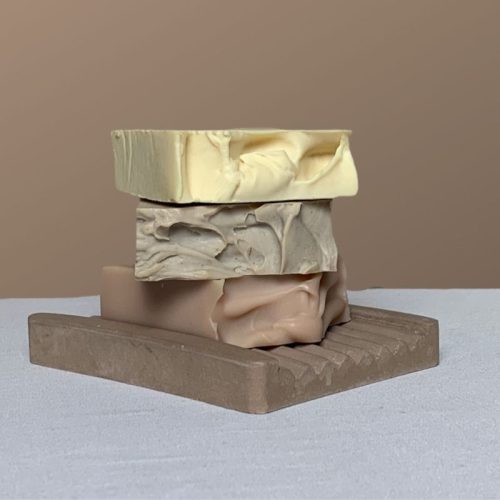
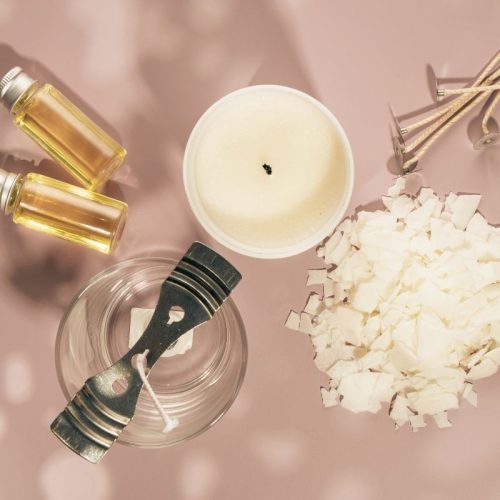
Examples of white label products: Our soy candles, glycerin-rich soaps, and essential oil-infused body creams fly off shelves under client brands.
What is a Private Label Product
Private label is for businesses wanting full product ownership. You create (or bring) a unique formula, and we produce it specifically for your brand.
That’s how some of our most loyal clients have built standout lines with long-term identity.
How private label works: You own the formula, packaging, name – everything. We manufacture it exactly how you designed it.
Differences in ownership and branding rights: You’re not renting someone else’s recipe. You’ve got full legal and branding rights.
Examples of private label products: Skincare lines made from scratch, men’s grooming kits, or bar soaps with custom exfoliants – all real projects we’ve done.

Core Differences Between White Label and Private Label
While both models offer ways to launch a product line, they’re worlds apart in control, creativity, and cost.
Let’s look at where those differences pop up most clearly.
Product Customisation and Design
Private label gives your brand its loudest voice – with complete control from scent to packaging. White label limits those choices, but gets you to market fast.
We help you decide which is smarter for where you’re at now.
Branding flexibility: Private label lets you shape the whole brand experience. White label stays consistent with our established formulas.
Packaging and formulation control: Use your vessels or packaging with a private label. White label uses what we already perfected.
Innovation and proprietary rights: Create something new and protect it under private label. White label remains our IP, even under your name.
Control Over Pricing and Distribution
How much say you want in pricing, placement, and profit margin ties directly to the model you choose.
We break it down so you can avoid missteps and missed margins.
Market positioning: With a private label, you’re building brand value. White label focuses on entry-level pricing and broad reach.
Retailer vs manufacturer control: Private label clients call the shots. White label clients adapt within a proven framework.
Revenue implications: Higher costs in private label can bring higher margins. White label favours affordability and quick returns.
Advantages and Challenges
No path is perfect, and we’ve seen how both models reward bold moves while testing business grit. Knowing what the difference is between white label and private label helps you make better choices – so here’s what’s on each side of the fence.
Benefits of Each Model
White label wins speed and ease. Private label wins depth and distinction.
Here’s how clients like ours have used both to stand out in crowded shelves.
Brand development in private vs white label: Build brand cred with private label. Start selling quickly with white label, then upgrade when ready.
Time-to-market considerations: White label launches can be as fast as two weeks. Private label can take 6-12 weeks, depending on formula needs.
Marketing flexibility: Private label lets you create stories from scratch. White label works with the benefits built into each product.
Common Challenges Faced
Product-based businesses aren’t fireproof. You’ll still face growing pains, especially around rights, risks, and reputation.
Here’s what we help our partners watch out for.
Legal protection and IP issues: Private label requires clear registrations. White label keeps IP with us, but limits client protection.
Quality control and consumer trust: One bad batch can dent your brand. That’s why we maintain strict in-house standards for all models.
Competitive saturation: White label markets fill fast. Unique packaging and clear messaging can help you rise above.
Market Applications and Strategy
Product models perform differently in different spaces.
Over the years, we’ve seen where white label shines and where private label becomes a long-term asset.
Market Use Cases
From boutique counters to digital showrooms, both models have deep market roots.
The key is picking what fits your approach and customer reach.
Retail and FMCG: Private label rules store aisles – especially in home, beauty, and wellness sections.
Software and digital services: White label makes sense for tech products like digital planners or branded apps.
Online marketplaces: Amazon and Etsy see a healthy mix – our white label soy candles often dominate handmade listings.
Strategic Business Fit
Early-stage brands often need lean launches. Established players want custom, defendable products.
We grow with our clients from stage one to stage two.
Startup budget and scalability needs: With no minimum orders, our white label is a great low-risk entry point for new brands.
Business goals and growth plans: If you want control, private label matches your vision with long-term customer buy-in.
Choosing a model based on market dynamics: Use white label when testing demand. Shift to private label as loyalty grows.
Legal and Ethical Considerations
The fine print matters just as much as the product inside the jar.
Here’s how we help you keep your brand legally clean and ethically proud.
Ownership and Licensing
Knowing who owns what protects your business.
Whether you’re licensing a white label scent or registering a private label name – we’ve got structure in place.
Product rights and registrations: Private label formulas require clear ownership. We provide contracts that outline who owns what.
Licensing agreements: Our white label model includes defined rights around logo usage and sales platforms
Legal boundaries of branding: Even a white label can’t copy-protected packaging. All product labelling must meet regulations.
Regulation Compliance
Every product on a shelf tells consumers it’s safe to use.
We make sure your offering meets Australian manufacturing and safety laws.
Labelling and disclosure standards: We adhere to strict INCI and AICIS label guidelines, ensuring your products meet legal requirements.
Import/export restrictions: We advise on the documentation required for shipping private-label items overseas.
Consumer safety regulations: All our ingredients are tested for potential irritation and allergen disclosure before reaching your shelves.
Current Trends and Outlook
Consumer needs are shifting, and we’re evolving with them.
Both white-label and private-label products are adapting to meet new buying habits and technological trends.
Market Movement and Innovation
Real growth comes from spotting tomorrow’s pain points today.
Our team stays ahead so your brand launches into trends that matter.
AI and product personalisation: We use customer data to help clients shape scents and textures that resonate on a personal level.
Rise in digital product labels: QR-code linked skincare routines and ingredient sourcing transparency are being layered into new designs.
Sustainability in both models: Our made-to-order process cuts waste while offering plastic-free options across categories.
Consumer Perception and Demand
What buyers feel about your product matters more than what you promise.
That’s why we focus on products that please senses and build loyalty crowds.
Brand loyalty metrics: Clients with custom blends see higher reorder rates than generic scent lines.
Retailer influence on buyer trust: Spa and salon clients love that they can say, “Yes, those are made just for us.”
Social proof and online reviews: Our formula strengths speak louder when your customers brag about benefits on social media.
FAQs
What are the most common examples of white and private label products?
White label includes ready-made candles, soaps, and hair care. Private label often includes skincare routines, signature body oils, or men’s grooming kits.
Can a product be both white label and private label?
No. White label is company-owned with shared formulas. Private label is fully your own formula and branding.
How do I find white label product suppliers and private-label manufacturers?
Reach out to us at Miakara. We do both, offer samples, pricing support, and have no minimum orders.
Which model is more profitable for small businesses?
White label wins on speed and affordability. Private label grows profit over time as the brand value increases.
Is one model more popular globally than the other?
White label is rising fast online. Private label dominates in physical retail and premium wellness sectors.
Behind Every Label Is a Dream Waiting to Grow
Choosing how to bring your product idea to life isn’t just about packaging; it’s about direction and control. Whether you crave creative freedom or a head start, knowing your options now can save time, money, and headaches later.
If you want quick, shelf-ready goods with minimal fuss, white labelling is your go-to. However, if owning your brand’s voice from formulation to finish matters more, private labelling gives you that freedom. It all comes down to how hands-on you want to be and how unique you want your product to feel.
At Miakara, we help you decide what’s best for your business with the support and flexibility to match. Let’s build your brand together.